





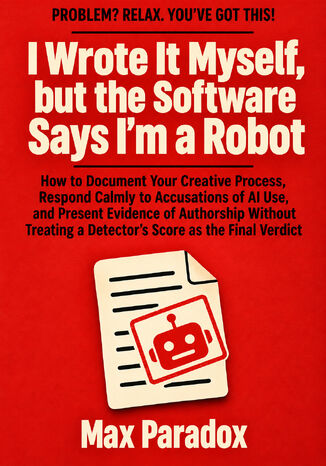
I Wrote It Myself, but the Software Says I'm a Robot - How to Document Your Creative Process, Respond Calmly to Accusations of AI Use, and Present Evidence of Authorship Without Treating a Detector's Score as the Final Verdict Max Paradox
 angielski
- Autor:
- Max Paradox
- Wydawnictwo:
- SELF-PUBLISHER
- Ocena:
- Stron:
- 192
- Dostępne formaty:
-
PDFePub
-
 Publikacja stworzona ze wsparciem AI
Opis
książki
:
I Wrote It Myself, but the Software Says I'm a Robot - How to Document Your Creative Process, Respond Calmly to Accusations of AI Use, and Present Evidence of Authorship Without Treating a Detector's Score as the Final Verdict
You wrote it yourself. The software disagrees. Apparently, you're a robot now.
You spent hours researching, drafting, deleting terrible sentences, and improving the good ones. You finally submitted your work, expecting feedback on its quality.
Instead, someone ran it through an AI detector.
The result? Your writing has been classified as suspicious.
Congratulations! Your ability to construct a coherent paragraph has become evidence against you.
I Wrote It Myself, but the Software Says I'm a Robot is a practical, witty guide to navigating one of the strangest problems facing modern writers: being accused of using artificial intelligence when the real story of how the work was created is more complicated than a detector's score.
Written in Max Paradox's distinctive blend of observational humor, common sense, and practical advice, this book helps you understand what automated detection can and cannot establish.
It's for students, authors, freelancers, journalists, copywriters, educators, and professionals who create written material and need to protect their credibility without turning every assignment into a forensic investigation.
Inside, you'll discover how to preserve meaningful evidence of your creative process, including early drafts, revision histories, research notes, editorial decisions, and relevant correspondence.
You'll learn how to organize those records into an understandable account rather than presenting an overwhelmed reviewer with forty attachments named "FINAL_FINAL_REALLY_FINAL."
The book also explores why polished, well-structured human writing can attract suspicion, why detection percentages require careful interpretation, and why an automated classification should not automatically become a finding of misconduct.
But this isn't an invitation to deceive detection systems.
You'll learn to distinguish independent writing from different kinds of AI assistance, explain the actual contributions of tools and collaborators, and understand why honest disclosure matters.
When someone challenges your authorship, you'll have practical guidance for responding calmly, identifying the specific allegation, presenting relevant information, and addressing questions without making the situation worse.
The book examines difficult situations too: missing drafts, contradictory timestamps, confidential documents, public accusations, disputed decisions, and appeals that require more than a passionate email about the decline of civilization.
It also considers the responsibilities of teachers, editors, employers, and organizations that assess authorship. Fair verification requires meaningful standards, relevant evidence, and human judgment rather than unquestioning faith in software.
Finally, you'll discover how to develop manageable documentation habits that support your work without consuming it. Because spending three hours proving that you wrote a two-hour article is not exactly a productivity breakthrough.
You won't find promises of guaranteed vindication or a magical technique that makes every detector approve of your writing.
You will find realistic explanations, useful decisions, relatable situations, and enough humor to make an otherwise frustrating subject considerably easier to handle.
Your writing deserves to be evaluated on facts, not just percentages.
You don't need to write worse to look more human.
And you certainly don't need a software-generated certificate confirming that you possess a functioning brain.
Read the book, understand your options, and take back control of your creative process.
This publication was prepared using tools that support the creative process, including artificial intelligence solutions. The final concept, structure and editing are the responsibility of the author.
Wybrane bestsellery
-
 Odpowiadasz za optymalizację procesów biznesowych i planujesz użyć w tym celu AI? Ta książka jest dla Ciebie. Wyczerpująco wyjaśnia, jak prowadzić projekty z wykorzystaniem LLM. Omawia ich poszczególne etapy od pracy nad pomysłem, przez wdrożenie, aż po codzienne dostarczanie wartości organizacji a z zawartych w niej wskazówek skorzystają kierownicy projektów, liderzy, analitycy procesów, analitycy biznesowi i właściciele procesów.
-
książka
-
ebook
(53,40 zł najniższa cena z 30 dni)
53.40 zł
89.00 zł (-40%) -
-
 W eseju popularnonaukowym, poświęconym jednemu z najważniejszych sporów naszych czasów - o to, czym naprawdę jest inteligencja i czy da się ją odtworzyć w maszynie - autor prowadzi czytelników przez intelektualny labirynt, w którym spotykają się informatyka, filozofia umysłu, neurobiologia, psychologia rozwoju i zdrowy sceptycyzm wobec technologicznych obietnic. Od chińskiego pokoju i filozoficznych zombie, przez granice systemów formalnych i uczenia statystycznego, aż po poznanie ucieleśnione, emergencję, metapoznanie i zawodność benchmarków - ta książka pokazuje, że pytanie o AI nie dotyczy wyłącznie maszyn. Dotyczy przede wszystkim nas: tego, czym jest rozumienie, skąd się bierze sens i dlaczego sprawność w rozwiązywaniu zadań nie musi jeszcze oznaczać inteligencji.
-
książka
-
ebook
(35,94 zł najniższa cena z 30 dni)
38.34 zł
59.90 zł (-36%) -
-
 Dzięki tej książce poznasz podstawy generatywnej sztucznej inteligencji i architektury agentowej, a także nauczysz się projektować systemy zdolne do planowania, uczenia się i samodoskonalenia. Autorzy opisują kluczowe struktury decyzyjne, mechanizmy adaptacji i techniki planowania wieloetapowego. Znajdziesz tu omówienie integracji z narzędziami zewnętrznymi, strategii koordynatorawykonawcydelegatora w skalowalnych agentach AI, jak również zagadnienia związane z bezpieczeństwem, zaufaniem i etyką niezbędne do tworzenia systemów zgodnych z ludzkimi wartościami. Zapoznasz się ponadto z rzeczywistymi zastosowaniami agentowej sztucznej inteligencji w automatyce, finansach czy ochronie zdrowia.
-
książka
-
ebook
(53,40 zł najniższa cena z 30 dni)
56.96 zł
89.00 zł (-36%) -
-
 Tę książkę docenią specjaliści do spraw cyberbezpieczeństwa, którzy chcą zdobyć umiejętności zabezpieczania systemów AI. Znajdą w niej uporządkowaną prezentację wyników badań i najnowszych standardów branżowych, z uwzględnieniem klasyfikacji: MITRE, NIST i OWASP. W przewodniku omówiono strategię zabezpieczania AI już na etapie projektowania ― z wykorzystaniem modelowania zagrożeń, przy czym skoncentrowano się na integracji MLSecOps i LLMOps z systemami bezpieczeństwa przedsiębiorstwa. Dodatkowo przedstawiono przykłady wdrażania integracji ciągłej, strategii i narzędzi MLOps, a także mechanizmów kontroli bezpieczeństwa. Zaproponowano ponadto bazujący na klasycznych filarach NIST plan wzmacniania bezpieczeństwa AI w przedsiębiorstwie.
-
książka
-
ebook
(77,40 zł najniższa cena z 30 dni)
82.56 zł
129.00 zł (-36%) -
-
 Dzięki tej praktycznej książce dogłębnie poznasz zagrożenia specyficzne dla aplikacji opartych na dużych modelach językowych, przeanalizujesz ich charakterystyczne cechy i dowiesz się, jak wyglądają luki w zabezpieczeniach. W ten sposób zdobędziesz praktyczną wiedzę, która podczas tworzenia oprogramowania korzystającego z LLM okazuje się bezcenna. Zapoznasz się również z licznymi wskazówkami i strategiami, które pomogą w zabezpieczaniu aplikacji opartych na sztucznej inteligencji. Niezależnie od tego, czy tworzysz zupełnie nową aplikację, czy zajmujesz się dodawaniem funkcjonalności LLM, znajdziesz tu szeroką gamę przydatnych zagadnień, takich jak architektura dużych modeli językowych, granice zaufania, technika RAG, wstrzykiwanie promptów i wiele innych.
-
książka
-
ebook
(47,40 zł najniższa cena z 30 dni)
50.56 zł
79.00 zł (-36%) -
-
 O sztucznej inteligencji jest ostatnio bardzo głośno, to nośny temat, nierzadko przedstawiany w tonie sensacyjnym. Czy AI nas zniewoli? Czy wymknie się spod kontroli? A może zabierze nam pracę i zmieni nasze życie w bezproduktywny koszmar? Rzeczywistość wygląda zgoła inaczej, niż zdają się sugerować clickbaitowe nagłówki w prasie i mediach społecznościowych. Sztuczna inteligencja jest obecna w naszym życiu od wielu lat, choć często nie zdajemy sobie z tego sprawy. Służy nam pomocą, gdy szukamy czegoś w sieci, kiedy chcemy coś przetłumaczyć, kupić, porównać albo dotrzeć z miejsca A do miejsca B. Odsiewa dla nas spam w poczcie internetowej i chroni nasze urządzenia elektroniczne przed cyberatakami. Oczywiście, ma swoje mroczne strony i tych także powinniśmy być świadomi.
-
książka
-
ebook
-
audiobook
(35,40 zł najniższa cena z 30 dni)
37.76 zł
59.00 zł (-36%) -
-
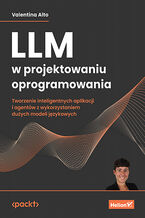 Dzięki tej książce opanujesz podstawowe koncepcje związane z użyciem LLM. Poznasz unikatowe cechy i mocne strony kilku najważniejszych modeli (w tym GPT, Gemini, Falcon). Następnie dowiesz się, w jaki sposób LangChain, lekki framework Pythona, pozwala na projektowanie inteligentnych agentów do przetwarzania danych o nieuporządkowanej strukturze. Znajdziesz tu również informacje dotyczące dużych modeli podstawowych, które wykraczają poza obsługę języka i potrafią wykonywać różne zadania związane na przykład z grafiką i dźwiękiem. Na koniec zgłębisz zagadnienia dotyczące ryzyka związanego z LLM, a także poznasz techniki uniemożliwiania tym modelom potencjalnie szkodliwych działań w aplikacji.
-
książka
-
ebook
(53,40 zł najniższa cena z 30 dni)
56.96 zł
89.00 zł (-36%) -
-
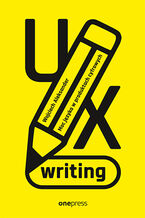 UX writing, choć jest terminem angielskim, na dobre rozgościł się w polskiej rzeczywistości projektowania doświadczeń. Treści związane z produktami istniały zawsze i we wszystkich kanałach. Jednak nigdy dotąd nie miały szansy być tak dobre, jak obecnie. Osoby wyspecjalizowane w tej dziedzinie sprawiają, że z oprogramowania można korzystać z pełnym zrozumieniem i może nawet zadowoleniem.
-
książka
-
ebook
-
audiobook
(47,40 zł najniższa cena z 30 dni)
47.40 zł
79.00 zł (-40%) -
-
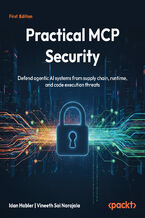 The MCP enables AI assistants to safely interact with external tools, data, but it also introduces new security risks unique to agentic systems. This book provides a practical, end-to-end guide to securing MCP servers and deployments.
-

-
ebook
(125,10 zł najniższa cena z 30 dni)
125.10 zł
139.00 zł (-10%) -
-
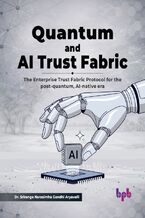 Description Artificial intelligence and quantum computing are reshaping the digital enterprise, creating unprecedented opportunities while introducing new cybersecurity, privacy, governance, and resilience challenges. As organizations become increasingly AI-native, establishing trust across people, data, applications, infrastructure, and decisions
-
-
ebook
(125,10 zł najniższa cena z 30 dni)
134.10 zł
149.00 zł (-10%) -


 Wybrane elementy graficzne tej sekcji powstały przy wsparciu AI
Max Paradox - pozostałe książki
-
 Klient mówi: "Chcemy wykorzystać AI!". Ty pytasz: "Do czego dokładnie?". Klient odpowiada: "Do wszystkiego, do czego się da!". Gratulacje. Właśnie rozpocząłeś projekt, w którym oczekiwania są nieograniczone, budżet ograniczony, a odpowiedzialność najwyraźniej ma ponosić chatbot. Brzmi znajomo? Sztuczna inteligencja potrafi przyspieszać pracę, anali
-
ebook
-
-
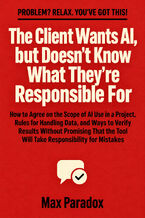 The client wants artificial intelligence to do everything. Write the reports. Analyze the data. Answer customers. Make decisions. Finish the project by Friday. And, naturally, never make a mistake. There's just one tiny problem: when something goes wrong, the chatbot won't attend the emergency meeting, negotiate compensation, or explain why it inve
-
-
ebook
-
-
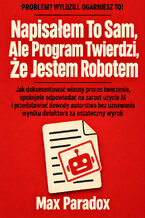 Napisałeś tekst samodzielnie. Poświęciłeś mu kilka wieczorów, poprawiłeś argumenty, usunąłeś zbędne zdania i wreszcie jesteś zadowolony. A potem ktoś przepuszcza twoją pracę przez detektor sztucznej inteligencji i ogłasza: "Wynik 94%. To napisał robot!". Gratulacje! Właśnie dowiedziałeś się, że jesteś urządzeniem elektronicznym. Pozostaje sprawdzić
-
ebook
-
-
 AI writes your emails, organizes your schedule, prepares your reports, and produces convincing answers to questions you haven't finished thinking about. It's wonderfully convenient. Until somebody asks you to explain a decision, fix an unexpected problem, or complete a familiar task without assistance. Suddenly, your digital assistant seems to have
-
-
ebook
-
-
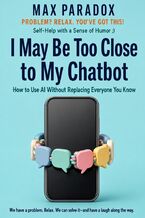 AI can write your emails, plan your vacation, explain your spreadsheet, help you make decisions, and patiently discuss the suspicious emotional meaning of a two-word text message at 1:14 in the morning. Very convenient. Possibly too convenient. I May Be Too Close to My Chatbot: How to Use AI Without Replacing Everyone You Know is a practical, funny
-
-
ebook
(5,00 zł najniższa cena z 30 dni)
23.99 zł
29.99 zł (-20%) -
-
 You open AI to help with one email. Then another. Then a decision. Then a summary. Then a birthday message. Then dinner. Soon you are staring at two perfectly ordinary options wondering whether you should ask a chatbot which one you prefer. Artificial intelligence can save enormous amounts of time. It can improve writing, organize information, gene
-
-
ebook
(5,00 zł najniższa cena z 30 dni)
23.99 zł
29.99 zł (-20%) -
-
 You see a shocking photo online. You zoom in. The hands look normal. The shadows seem reasonable. Nobody has seventeen teeth. Excellent. So... real? Maybe. Welcome to an internet where artificial intelligence can generate convincing photographs, clone familiar voices, alter video, create fake screenshots, and make you question whether that celebrit
-
-
ebook
(5,00 zł najniższa cena z 30 dni)
23.99 zł
29.99 zł (-20%) -
-
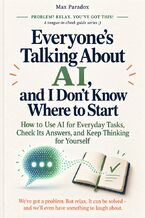 Everyone seems to be talking about AI. Knowing where it can actually help is another matter. Everyone's Talking About AI, and I Don't Know Where to Start is a practical, lightly humorous guide for readers who want useful everyday applications without handing over their judgment, privacy, or responsibility. Max Paradox begins with a reassuring disti
-
-
ebook
(5,00 zł najniższa cena z 30 dni)
23.99 zł
29.99 zł (-20%) -
-
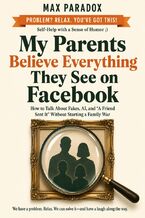 Your dad forwards a Facebook warning that the banks are about to freeze everyone's money. Your mom sends a video that "proves" a celebrity said something outrageous. A family friend has discovered another miracle cure, an AI-generated image is circulating as breaking news, and somebody in the group chat has written, "SHARE BEFORE THEY DELETE THIS."
-
-
ebook
(5,00 zł najniższa cena z 30 dni)
23.99 zł
29.99 zł (-20%) -
-
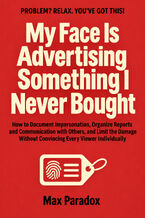 Congratulations! You've just become a brand ambassador. There's only one small problem: nobody asked you. Your face is appearing in an advertisement for a product you've never purchased. According to the promotional copy, you're an enthusiastic customer, a passionate supporter, and possibly the company's greatest success story. Meanwhile, you're si
-
-
ebook
-




Szczegóły książki
- ISBN Ebooka:
- 978-83-848-3950-8, 9788384839508
- Data wydania ebooka :
-
2026-11-09
 Data wydania ebooka często jest dniem wprowadzenia tytułu do sprzedaży i może nie być równoznaczna
z datą wydania książki papierowej. Dodatkowe informacje możesz znaleźć w darmowym fragmencie.
Jeśli masz wątpliwości skontaktuj się z nami sklep@helion.pl.
- Język publikacji:
- angielski
- Rozmiar pliku Pdf:
- 1.3MB
- Rozmiar pliku ePub:
- 2.1MB
- Pobierz przykładowy rozdział PDF
- Pobierz przykładowy rozdział EPUB
- Zgłoś erratę
- Kategorie:
Sztuczna inteligencja » Ryzyko w AI
Biznes IT » E-biznes i marketing » Copywriting
self publisher - inne książki
-
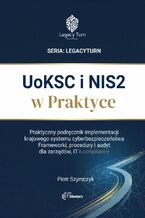 Pierwsza polska książka łącząca teorię i praktykę wdrożenia Krajowego Systemu Cyberbezpieczeństwa. Napisana językiem konkretnych ról, dla Zarządu, IT, Compliance, Audytu i OT i nie jest komentarzem do ustawy. Dowiesz się jak zarejestrować podmiot w systemie S46, zbudować SZBI zgodny z art. 8 UoKSC, przeprowadzić lub przejść audyt KSC, zarządzać inc
-
ebook
-
-
 Cybersecurity w pytaniach i odpowiedziach Wydanie II - rozszerzone Cyberbezpieczeństwo to dziś nie opcja. To fundament. Problem polega na tym, że większość osób, które chce wejść w tę branżę lub uporządkować swoją wiedzę, trafia na chaos: setki artykułów, sprzeczne informacje, brak jasnego kierunku. Ta książka powstała dokładnie po to, żeby ten cha
-
ebook
(46,90 zł najniższa cena z 30 dni)
46.90 zł
67.00 zł (-30%) -
-
 Otwierasz telefon, a tam twoja twarz reklamuje produkt, którego nigdy nie kupiłeś. Co więcej, według reklamy jesteś jego zachwyconym użytkownikiem, ekspertem i prawdopodobnie człowiekiem, który śni o nim po nocach. Ty tymczasem pierwszy raz widzisz nazwę. Gratulacje: ktoś właśnie rozpoczął twoją karierę marketingową bez castingu, umowy i pytania o
-
ebook
-
-
 Wczoraj prowadziłeś firmę. Miałeś klientów, zamówienia, opinie, historię sprzedaży i całkiem przyzwoite plany na przyszłość. Dzisiaj próbujesz się zalogować i widzisz komunikat: "Twoje konto zostało zablokowane". Gratulacje! Właśnie odkryłeś, że można mieć własną firmę, a jednocześnie nie posiadać kluczy do drzwi, przez które wchodzą wszyscy klienc
-
ebook
-
-
 Rozstaliście się. Klucze oddane, rzeczy podzielone, wspólna przyszłość odwołana. Wszystko wskazuje na to, że jesteście już niezależnymi ludźmi. Jest tylko jeden drobny problem: internet nadal uważa, że jesteście razem. Były partner ma dostęp do wspólnej chmury, abonament muzyczny nadal obciąża twoją kartę, inteligentny dom rozpoznaje dawnego mieszk
-
ebook
-
-
 Wyszedłeś po zakupy. Zatrzymałeś się na kawę. Odwiedziłeś znajomego. A kiedy wracasz do domu, czeka na ciebie pytanie: "Dlaczego byłeś tam przez dwadzieścia trzy minuty?". Gratulacje! Twoja rodzina właśnie awansowała z poziomu "Martwimy się o ciebie" do poziomu "Centrum Monitorowania Wszystkiego, Łącznie z Pieczywem". Udostępnianie lokalizacji miał
-
ebook
-
-
 Poniedziałek, 9:07. System zamówień nie działa. Poczta milczy. Chmura przechowuje wszystkie dokumenty tak bezpiecznie, że nikt nie może ich otworzyć. Ktoś proponuje restart routera, ktoś inny dzwoni do informatyka, a właściciel firmy zaczyna podejrzewać, że plan ciągłości działania był jednak czymś więcej niż nudnym załącznikiem do prezentacji. A t
-
ebook
-
-
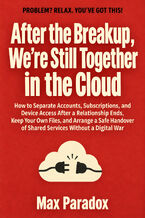 You've broken up. You've returned the keys. You've divided the furniture. So why does your ex still have administrator access to your life? The relationship is officially over, but the internet seems to have missed the announcement. Your former partner can still receive notifications from your smart doorbell. A streaming subscription keeps charging
-
-
ebook
-
-
 Ktoś sprzedaje twoje zdjęcia, grafiki, teksty albo projekty, a ty dowiadujesz się o tym przypadkiem? Gratulacje! Właśnie odkryłeś, że internet potrafi zatrudnić cię jako twórcę bez pytania o zgodę i bez informowania o wynagrodzeniu. Wyobraź sobie, że znajdujesz własną pracę w cudzym sklepie. Produkt ma cenę, opis i przycisk "Kup teraz". Brakuje tyl
-
ebook
-
-
 Yesterday, you had a business. Today, you have an error message. Your products are ready. Your customers are waiting. Your suppliers expect payment. Unfortunately, the platform hosting your store has decided that your account should no longer participate in commercial activities. Congratulations! You've discovered that running your own business and
-
-
ebook
-
Dzięki opcji "Druk na żądanie" do sprzedaży wracają tytuły Grupy Helion, które cieszyły sie dużym zainteresowaniem, a których nakład został wyprzedany.
Dla naszych Czytelników wydrukowaliśmy dodatkową pulę egzemplarzy w technice druku cyfrowego.
Co powinieneś wiedzieć o usłudze "Druk na żądanie":
- usługa obejmuje tylko widoczną poniżej listę tytułów, którą na bieżąco aktualizujemy;
- cena książki może być wyższa od początkowej ceny detalicznej, co jest spowodowane kosztami druku cyfrowego (wyższymi niż koszty tradycyjnego druku offsetowego). Obowiązująca cena jest zawsze podawana na stronie WWW książki;
- zawartość książki wraz z dodatkami (płyta CD, DVD) odpowiada jej pierwotnemu wydaniu i jest w pełni komplementarna;
- usługa nie obejmuje książek w kolorze.
Masz pytanie o konkretny tytuł? Napisz do nas: sklep@helion.pl
Książka drukowana


Oceny i opinie klientów: I Wrote It Myself, but the Software Says I'm a Robot - How to Document Your Creative Process, Respond Calmly to Accusations of AI Use, and Present Evidence of Authorship Without Treating a Detector's Score as the Final Verdict Max Paradox
(0)